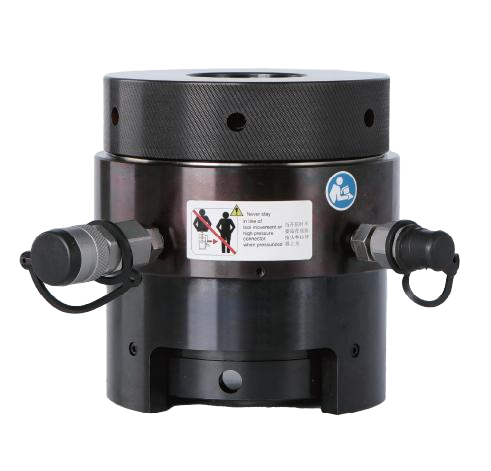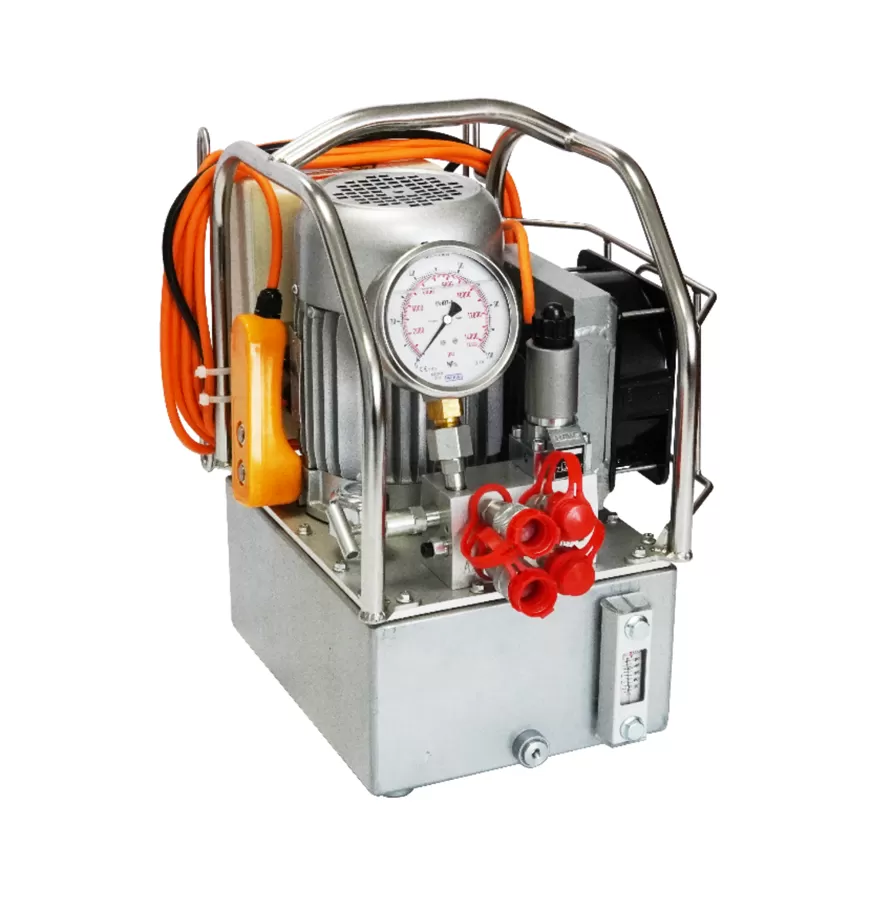
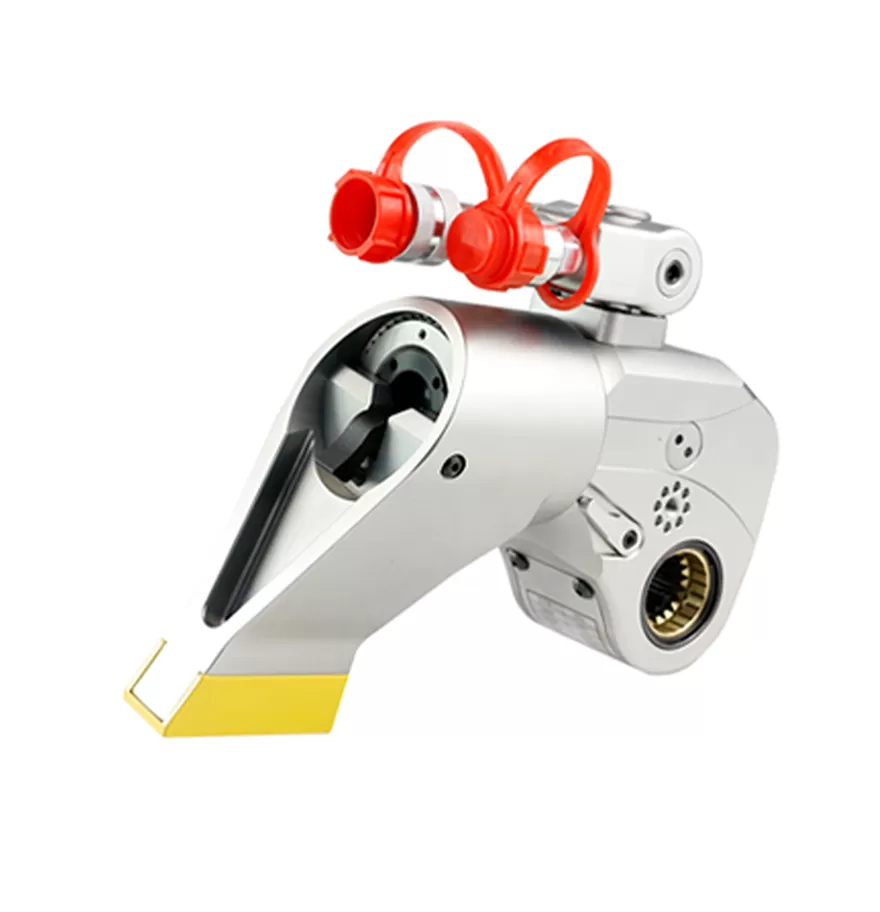
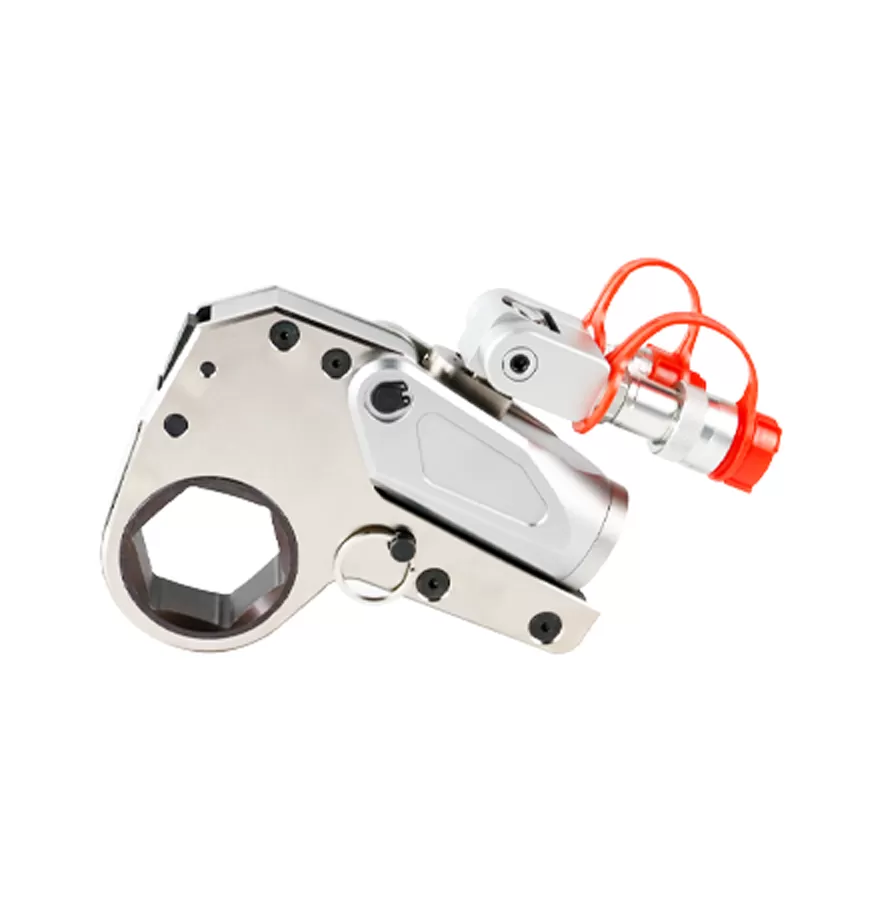
Regular inspections and timely maintenance are crucial to maintaining the accuracy and reliability of hydraulic bolt tools. In harsh application environments, factors such as wear, pollution, or improper maintenance can affect torque performance and tool life.
BETE provides practical support to help customers identify common issues and restore tool performance. Customers can contact us for maintenance guidance or repair support to ensure that their hydraulic torque wrenches and related equipment continue to operate safely and efficiently.
Optimize your service request: submit the online form or call us. Include the tool model, operating conditions, and a clear issue description—and attach photos or videos for faster diagnosis.
Our technical team will analyze the issue and provide remote guidance as a priority to help customers resolve the problem on-site.
If replacement parts are needed, we provide original parts and operating instructions to assist customers in self-repair.
If the problem cannot be resolved remotely, we will provide return instructions for further testing and repair.
Every repaired hydraulic bolting tool is calibrated and tested to factory specifications.
We ship your tool back with a detailed service report and calibration certificate.
| Rotary Joint Leaks Oil | The sealing ring has aged. Replace the sealing ring. It is recommended to replace it every six months. |
| Reset the Jammed Trigger | It was caused by improper operation. By holding down the reset lever, applying pressure, then releasing the pressure, the situation can be restored; It is recommended that customers operate in accordance with the instructions provided in the manual. |
The Ratchet and the Large Pawl are Prone to having Teeth Broken | Improper operation resulted in; Release the button on the control handle, observe the pressure to drop to around 8-10 Mpa, and then perform the next up-pressure action |
The Rotary Joint is Broken, or the Screws are Loose |
|
Quick Connector - There are Connection Issues, Insufficient Pressure, and No Oil Injection | Connection obstacles: Foreign objects on the threads or external force damage to the joints; It is recommended to use a cleaning agent to clean the connection area of the connector, and then cover it with a dust cover |
| During the operation, the tensioner got stuck and could not be removed. | Improper operation; 1. Foreign objects on the screw; use an extended ratchet wrench to apply more force and remove it; 2. Screw turned in the wrong direction; operate the ratchet wrench in the opposite direction; 3. When removing the nut, if it is turned all the way down without being turned back half a turn, use the ratchet to turn it back half a turn in the opposite direction; |
| Oil leakage from the tensioner | Seal ring has aged; replace the seal; it is recommended to replace it every six months; |
| Pressure-regulating valve, valve plug, valve seat, (globe valve) | Lack of long-term maintenance and blockages caused by foreign objects; it is recommended to clean the entire machine regularly and replace the hydraulic oil; pressure relief valves, valve spools, valve seats, and shut-off valves (new machines: maintenance at 100 hours and 200 hours; in poor sanitary conditions, increase the maintenance frequency) |
| Oil leakage from the pressure gauge | The warranty period is six months, during which defective gauges will be replaced free of charge. The gauge must be calibrated once every six months during use; if the gauge is found to be inaccurate, it will be scrapped. |
| Quick-connect coupling experiences connection issues or fails to pass oil during pressure testing | Connection Issues: Foreign objects in the threads or physical damage to the coupling; Recommendation: Clean the coupling connection with a cleaning agent before and after use, then replace the dust cap. |