Compare Hydraulic Torque Wrench Series: Square Drive vs Low Profile
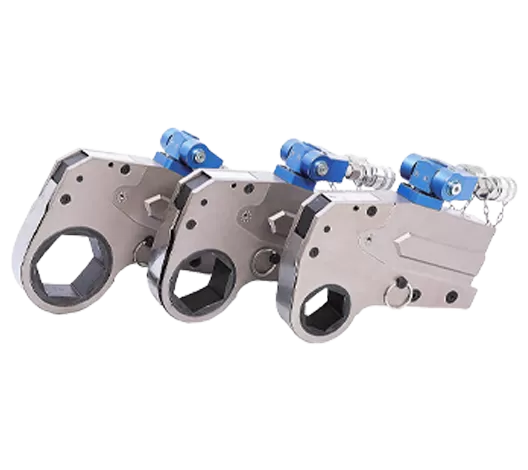
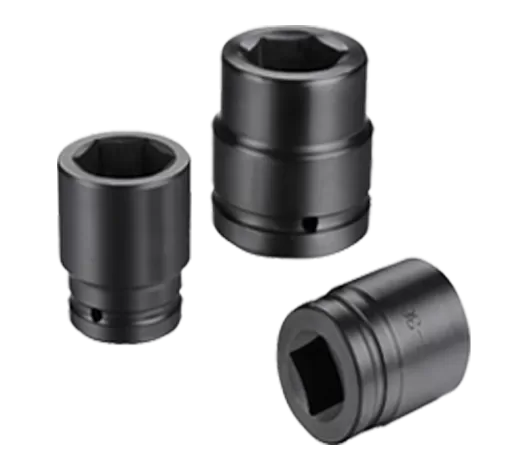
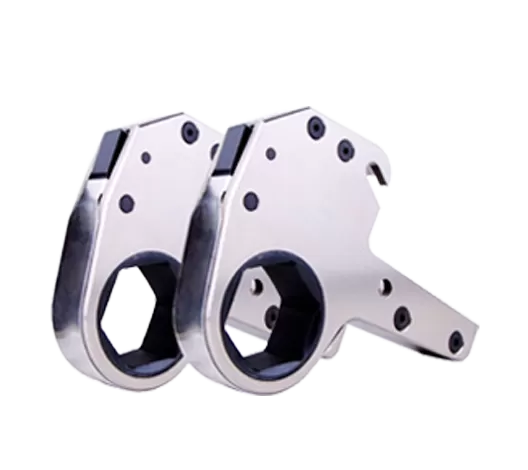
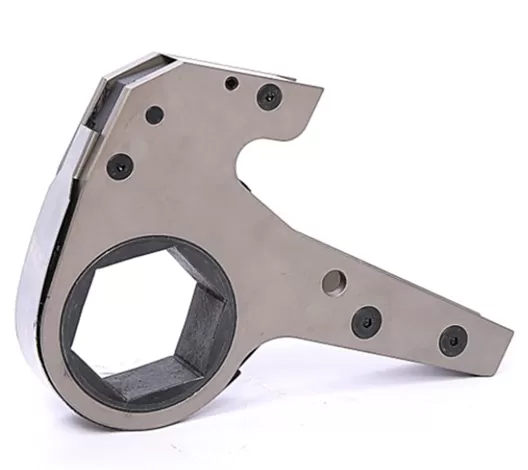
BETE makes two types of hydraulic torque wrench. Square drive wrenches (MXTA and MINI) turn the nut through an impact socket, so one tool covers many nut sizes by changing sockets. Low profile hollow wrenches (LOW and LOW-CP) fit a hex working head directly over the nut, which keeps the tool low and narrow where a socket and reaction arm will not fit. All four series have ±3% torque accuracy.
| Series | Torque Range | Fits | Tool Weight | Best For |
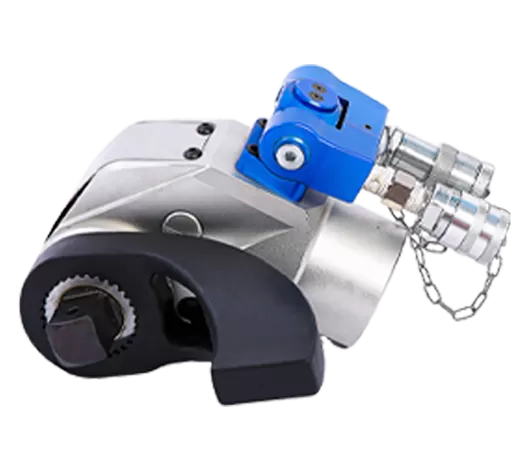
MXTA square drive hydraulic torque wrench
11 models | 112–72,000 N·m
83–53,064 ft·lb | M14–M125 bolts
3/4"–2-1/2" square drive | 1.8–85 kg | Widest torque range; flange and structural bolting with sockets |
MINI compact hydraulic torque wrench
6 models | 104–15,921 N·m
77–11,734 ft·lb | M14–M72 nuts
3/4"–1-1/2" square drive | 1.4–13.3 kg | Narrow spaces; front reaction arm keeps the tool short |
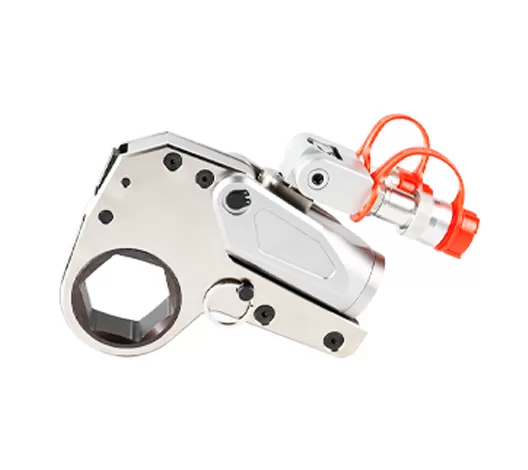
LOW low profile hydraulic torque wrench
6 models | 232–44,593 N·m
171–32,865 ft·lb | 19–175 mm A/F
hex working heads | Power head 0.9–10.4 kg
working head 1.5–20.5 kg | Limited clearance; direct nut engagement |
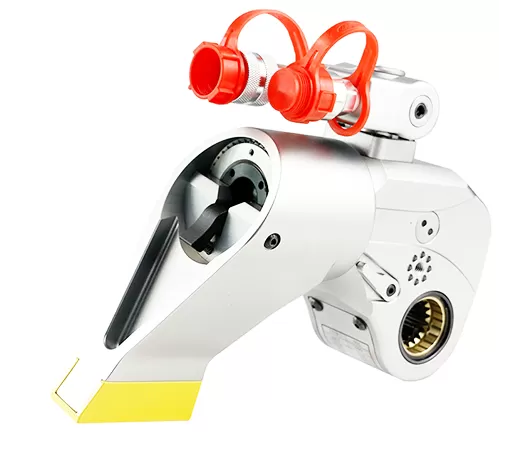
LOW-CP ultra-thin hydraulic torque wrench
7 models | 232–44,593 N·m
171–32,865 ft·lb | 19–175 mm A/F
interchangeable working heads | Power head 1.2–11.5 kg
working head 1.6–30 kg | Tightest clearance; double-acting, high-speed cycle |
N·m values are the rated ranges published on each series page; ft·lb values are converted and rounded. Pressure-to-torque charts for MXTA and LOW are on their series pages and in Manuals & Spec Sheets.
Sockets, Working Heads and Hydraulic Pumps
| Accessory | Used With | Key Data |
| MXTA Series Special Socket | Square drive wrenches with a matching drive size | Chrome-molybdenum impact sockets, M14–M125, for 3/4", 1", 1-1/2" and 2-1/2" drives |
| LOW-CP Working Head and Reducer Set | Hollow wrench power head; choose the set by power head model | One working head per hex size; reducers let one head fit several nut sizes |
| HTW-UT Working Head and Reducer Set | Hollow wrench power head; choose the set by power head model | Working heads and reducers by bolt diameter and A/F, with R and A dimensions for clearance checks |
| HEP-700 electric hydraulic torque wrench pump | BETE hydraulic torque wrenches | 0–700 bar (0–70 MPa) adjustable, three-stage automatic flow, drives 2 wrenches as standard (4 optional), radiator for 24-hour continuous work |
| REW-700 air pump for torque wrench | BETE hydraulic torque wrenches | 0–700 bar (0–70 MPa), 4–8 bar air input, no electronic control system for explosion-proof applications, drives 2 wrenches as standard (4 optional) |
Electric and Pneumatic Torque Wrenches (No Hydraulic Pump Required)
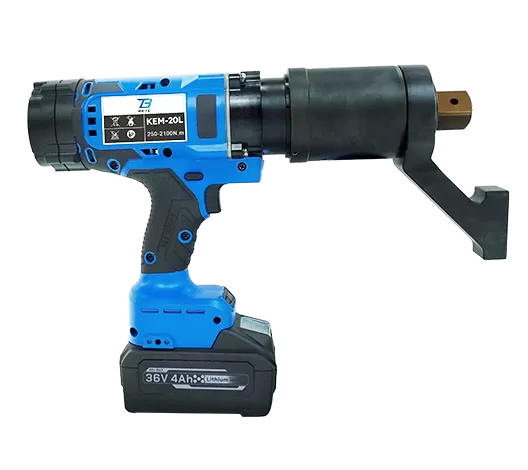
KEM runs on a lithium battery, KEM-A on 220 V mains power and PTG on compressed air. Each has its own motor, so none of them needs a hydraulic pump or high-pressure hoses.
| Model | Power Source | Torque Range | Accuracy and Features |
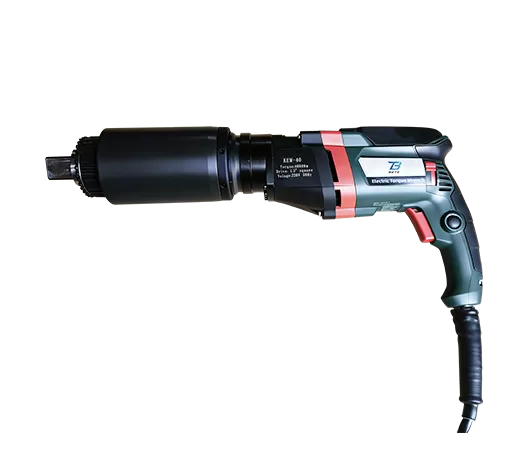
| KEM Series Lithium Battery Torque Wrench | Lithium battery | 100–12,000 N·m
74–8,844 ft·lb | ±5%; programmable torque, data recording, optional Bluetooth and Wi-Fi |
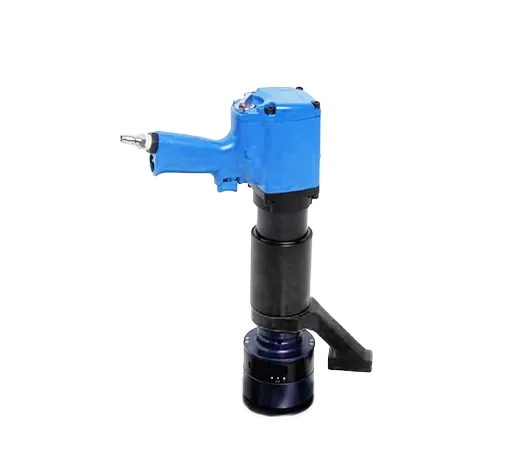
| PTG Pneumatic High-Speed Torque Wrench | Compressed air | 100–12,000 N·m
74–8,844 ft·lb | ±4%; no reaction force impact, ergonomic handle |
| KEM-A Series Electric Torque Wrench for Wind Power | 220 V 50 Hz AC | Up to 12,000 N·m
8,844 ft·lb | ±6%; auto-stop at target torque, continuous rotation for wind turbine bolting |
How to Choose a Hydraulic Torque Wrench
Target torque and nut size. Find the tightening torque and the nut across-flats (A/F) size, then pick a model whose rated range covers it. When loosening, allow extra capacity, because breakout torque on corroded, heat-seized or over-tightened nuts, such as steam turbine bolts at a plant overhaul, is often higher than the tightening value. Our bolt and nut torque chart lists the recommended maximum torque for each bolt size.
Clearance around the nut. A square drive wrench needs height for the socket and a solid reaction point within reach of the reaction arm. A low profile hollow wrench needs less height; check the working head R and A dimensions against the distance to the nearest wall and to the next bolt. For engine and turbine casings and other tight spots, start with the compact MINI or the ultra-thin LOW-CP.
Sockets or working heads. MXTA and MINI use impact sockets sized to the square drive. LOW and LOW-CP combine a power head and a working head: the working head fits over the nut, and the power head drives it and connects to the pump. Choose one working head per hex size; reducers let one head fit several smaller nuts.
Pump and hoses. BETE hydraulic torque wrenches run on a 700 bar (70 MPa) pump. Choose the HEP-700 electric pump where mains power is available, or the REW-700 air pump where only compressed air is available or electrical equipment is restricted.
Pressure setting. Torque output rises with pump pressure. Read the pump pressure for your target torque from the model's pressure-to-torque chart before tightening.
What Affects Hydraulic Torque Wrench Price
Hydraulic torque wrenches are usually quoted as a kit, so the price depends on the full configuration:
Torque capacity and model size: a 07MXTA weighs 1.8 kg and a 50MXTA weighs 85 kg.
Wrench type: low profile hollow wrenches need a working head for each hex size; square drive wrenches need a socket set.
The number of sockets, working heads and reducers in the kit.
Pump type, the number of wrenches it drives, and hoses.
Calibration certificates, custom reaction arms, OEM branding and order quantity.
Send us the bolt size, target torque, working clearance and number of joints, and we will quote a matched wrench, accessory and pump kit.
Hydraulic Torque Wrench Manufacturer in Hangzhou, China
BETE was established in 2006 and runs a 90,000 m² production park with more than 200 technicians. Every hydraulic bolting tool is 100% factory-tested before shipment, including pressure tests, torque accuracy verification and cycle durability checks, under an ISO 9001:2015 quality system. CE certificates and product calibration certificates can be supplied with your order.
 English